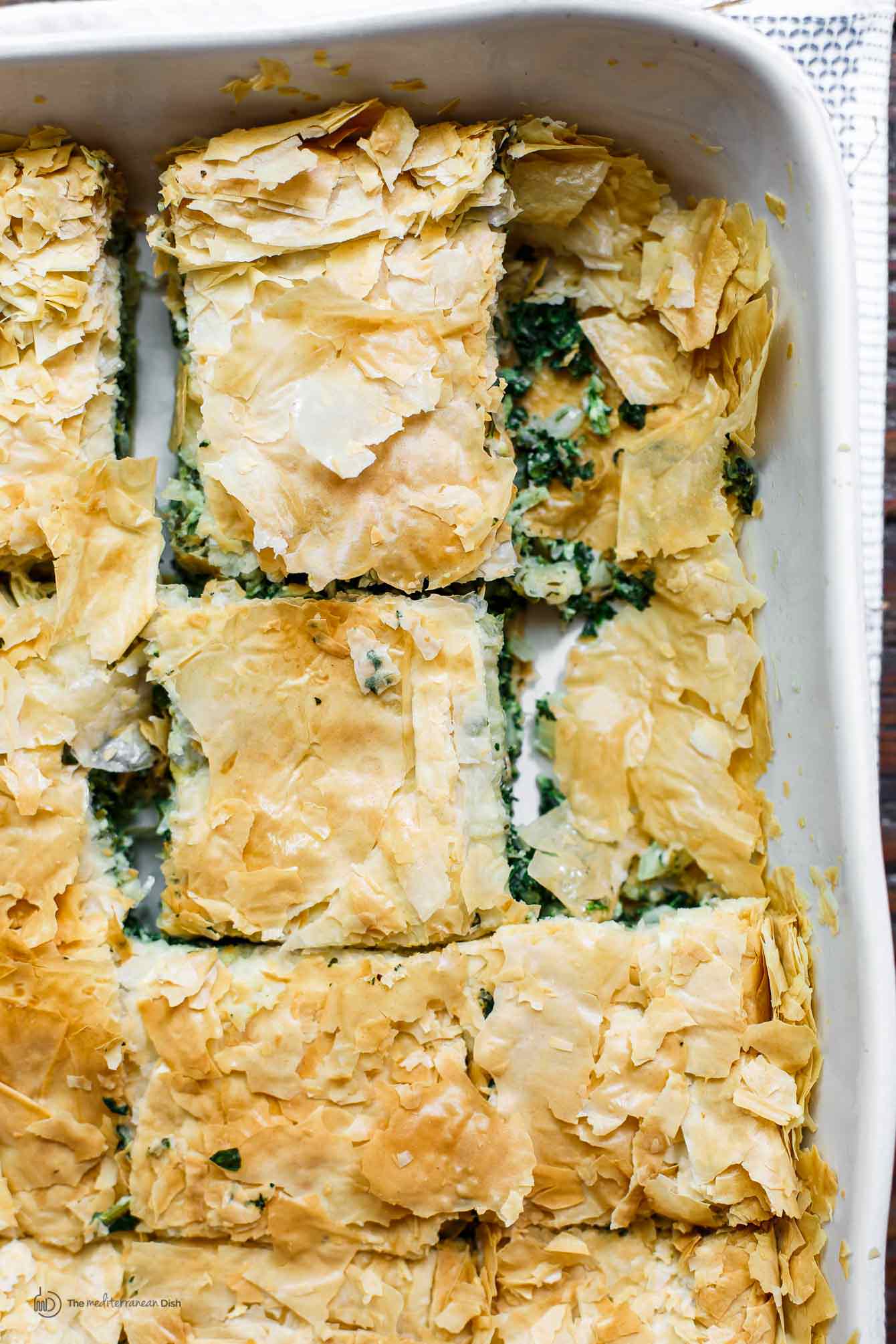
If you're embarking on a culinary adventure into the heart of Greek cuisine, prepare to be utterly captivated by Spanakopita. This isn't just a pie; it's an experience of contrasting textures and harmonious flavors, making it a beloved staple whether served as a sophisticated side dish or a satisfying main course. Picture golden, impossibly crisp layers of phyllo dough giving way to a rich, savory filling of vibrant spinach and tangy feta cheese. If you haven't yet discovered the magic of this iconic Greek delight, you're truly in for a treat!
Far from being an intimidating culinary feat, creating a delicious spanakopita recipe at home is more accessible than many imagine. With a few key tips and a dash of enthusiasm, you can recreate the authentic flavors that transport you straight to the sun-drenched tavernas of Greece. Get ready to impress your family and friends with this timeless dish that perfectly blends comfort and elegance.
What Exactly is Spanakopita? A Greek Culinary Gem
At its core, Spanakopita (pronounced spah-nah-KO-pee-tah) is a traditional Greek savory pie, renowned for its distinct layers and irresistible taste. The name itself translates roughly to "spinach pie," which perfectly encapsulates its primary ingredients. But it's the interplay of these components that makes it so special:
- Phyllo Dough: This is the secret to Spanakopita's signature crunch. Phyllo (or "filo") consists of tissue-thin sheets of unleavened pastry, meticulously layered and brushed with olive oil or butter. It bakes up into an incredibly flaky, golden crust that shatters with every bite. You'll typically find phyllo dough conveniently located in the freezer section of most grocery stores, often near puff pastry or pie crusts.
- Spinach and Feta Filling: This classic combination forms the soul of the pie. Fresh or frozen spinach is expertly combined with creamy, salty feta cheese to create a comforting, flavorful mixture that perfectly balances the crispness of the phyllo.
While often seen in large, impressive casserole-style bakes like the one we'll focus on, Spanakopita's versatility shines through its various forms. You might encounter it as charming individual hand pies, often shaped into neat triangles, or even as savory rolls – perfect for a quick snack or appetizer. Regardless of its presentation, the essence of a truly authentic spanakopita recipe remains the same: a symphony of flaky pastry and a robust, herbaceous filling.
Indeed, this pie holds a special place in Greek culture, frequently appearing at family gatherings, celebrations, and, of course, Greek festivals worldwide. The universal appeal is undeniable; as one young enthusiast delightfully put it, it's a "yummy, crispy cheese pie with lots of green stuff!" Its charm lies in its ability to be both wonderfully comforting and surprisingly sophisticated.
Crafting the Perfect Filling: Key Ingredients for Your Spanakopita Recipe
The success of any Spanakopita hinges on its filling – a harmonious blend of simple yet powerful ingredients. While the concept is straightforward, paying attention to the quality and preparation of each component elevates a good pie to an unforgettable one.
The Dynamic Duo: Spinach and Feta
Unsurprisingly, spinach and feta cheese are the undeniable stars of this show. For an authentic experience, quality feta cheese is paramount. True Greek feta, typically made from sheep's milk or a blend of sheep and goat's milk, offers a distinct tangy, briny flavor and crumbly texture that cannot be replicated by other cheeses. Resist the temptation to substitute; no other cheese truly qualifies for a classic Spanakopita.
When it comes to spinach, a good amount is required, making frozen spinach the pragmatic choice for many. Fully thawed, it mixes directly with the other ingredients without the need for advanced cooking. However, the most critical step when using frozen spinach is to drain every last drop of liquid. Excess moisture is the enemy of a crispy phyllo crust and can lead to a soggy pie. Squeeze it vigorously by hand until no more liquid can be extracted. If opting for fresh spinach, you'll need to sauté it with your aromatics until wilted, then drain and cool it completely before incorporating it into the filling.
The Flavor Makers: Herbs, Aromatics, and Binders
To elevate the spinach and feta, a carefully selected array of herbs and aromatics adds depth and complexity:
- Fresh Herbs: Parsley is a must-have, and don't shy away from using the stems – they pack a ton of flavor! Fresh dill weed also contributes a distinctive, slightly anise-like note that is quintessential to Greek cuisine.
- Aromatics: Finely chopped onions and minced garlic provide an aromatic base, adding savory warmth to the filling.
- Eggs: Large eggs serve as the crucial binding agent, holding the delicious mixture together as it bakes.
- Olive Oil, Salt, and Pepper: A generous drizzle of quality extra virgin olive oil not only adds richness but also enhances the Greek essence of the dish. A simple seasoning of salt and pepper rounds out the flavors.
All these ingredients come together to form a vibrant, savory filling that is the heart of any exceptional authentic Spanakopita recipe. The freshness of the herbs combined with the salty feta and earthy spinach creates a balance that is both comforting and exhilarating.
Mastering the Phyllo Dough: The Golden, Crispy Layers
The signature golden, crispy phyllo pastry is truly what defines Spanakopita. It's the "wow" factor, providing a delicate, shatteringly crisp contrast to the soft, savory filling. While working with phyllo might seem daunting at first, a few simple techniques will ensure your success.
Tips for Taming Phyllo
- Thawing is Key: Phyllo dough typically comes frozen. Always allow it to thaw completely in its packaging in the refrigerator overnight, or for several hours at room temperature, before you plan to use it. Rushing this step can make the sheets brittle and prone to tearing.
- Keep it Covered: Phyllo dries out incredibly quickly when exposed to air, becoming brittle and unworkable. Once you open the package, keep the unused sheets covered with a damp (but not wet) kitchen towel or plastic wrap while you work.
- Brush Generously (But Not Excessively): Each layer of phyllo needs to be brushed lightly but thoroughly with olive oil or melted butter. This not only adds flavor and richness but also creates the separation that allows for that incredible crispness. Don't drown the sheets, but ensure an even coating. For more in-depth advice on handling this delicate pastry, check out our guide on Secrets to Crispy Spanakopita: Phyllo, Feta, and Perfect Filling.
- Layering Strategy: For a casserole-style Spanakopita, you'll typically use half the phyllo sheets for the bottom crust and half for the top. Layer them individually, overlapping slightly in your baking dish, allowing some to drape over the sides. This ensures a sturdy base and a beautifully crinkled top.
The reward for these careful steps is a spectacular crust that crackles and crumbles with every forkful, a truly satisfying textural experience that elevates the entire dish. Don't be afraid to embrace the process; a slightly torn sheet or two won't ruin your Spanakopita – the layers will meld beautifully in the oven!
Serving Spanakopita: Beyond the Side Dish
One of the many wonderful qualities of Spanakopita is its incredible versatility. While it shines brightly as a beloved side dish, it confidently holds its own as a fulfilling main course, suitable for almost any occasion.
As a side, Spanakopita is a stellar companion to various holiday dinners or celebratory meals. Imagine it alongside succulent roasted lamb, providing a fresh, tangy counterpoint, or paired with zesty lemon chicken for a complete Mediterranean feast. Its rich flavor and satisfying texture make it a far more interesting choice than typical potato or rice sides.
But don't relegate it solely to supporting roles! Spanakopita can easily be the star of your plate. For a lighter yet satisfying meal, serve a generous slice with a crisp, refreshing salad. A classic Greek salad with ripe tomatoes, cucumbers, olives, and more feta is a natural pairing. Mediterranean chickpea salad, with its vibrant flavors and textures, or even a simple green salad dressed with a lemon vinaigrette, would also complement it beautifully. To complete the experience, offer a dollop of creamy Greek Tzatziki or a side of smoky Roasted Garlic Hummus for dipping.
It's also a fantastic option for brunch, a light lunch, or even an elegant appetizer when made into smaller triangles. Its appeal spans generations and palates; there's something universally comforting and delicious about this "yummy, crispy cheese pie with lots of green stuff" that makes it a hit with everyone, from the youngest diner to the most seasoned food critic. This adaptability makes having a reliable spanakopita recipe in your repertoire an invaluable asset.
Why Make Your Own Spanakopita? Practical Tips for Success
Embarking on making your own Spanakopita might seem like a project, but the rewards far outweigh any perceived difficulty. The satisfaction of pulling a golden, fragrant pie from your oven, knowing every ingredient that went into it, is immense. Plus, homemade always tastes superior!
Here are some practical tips to ensure your homemade Spanakopita is nothing short of spectacular:
- Invest in Quality Feta: As mentioned, this is non-negotiable for an authentic taste. Seek out block feta in brine for the best flavor and texture.
- Drain Spinach Ruthlessly: This cannot be stressed enough. A dry filling is essential for a crispy phyllo crust. Squeeze, squeeze, and squeeze again!
- Keep Phyllo Hydrated: Always have a damp towel ready to cover unused phyllo sheets. Work efficiently, but don't panic if a sheet tears – simply patch it with another, and the layers will conceal any imperfections.
- Don't Skimp on Olive Oil: It's key for the flavor and crispness of the phyllo. A good quality extra virgin olive oil makes a significant difference.
- Pre-Score Before Baking: For a clean cut and to prevent the top phyllo layers from cracking excessively when hot, gently score the top of the unbaked pie into serving portions with a sharp knife.
- Allow to Rest: After baking, let your Spanakopita rest for 10-15 minutes before cutting. This allows the filling to set and prevents it from falling apart.
With these insights, you're well on your way to mastering this delightful Greek pie. Don't hesitate to dive in and try an authentic spanakopita recipe yourself. The process is rewarding, and the outcome is incredibly delicious.
Conclusion
Spanakopita stands as a testament to the power of simple, fresh ingredients transformed into something truly extraordinary. Its perfectly crisp phyllo layers, cradling a savory, herbaceous spinach and feta filling, offer a textural and flavor experience that is both comforting and distinctly Greek. Whether you’re serving it as an elegant side to a holiday roast or as the satisfying centerpiece of a vegetarian meal, this delicious pie consistently delights.
By understanding the nuances of phyllo dough and paying attention to the quality and preparation of your filling ingredients, you can easily create an authentic and memorable Spanakopita in your own kitchen. It's more than just a dish; it's a taste of Greek culinary tradition, an invitation to gather, share, and savor. So, roll up your sleeves, embrace the joy of creating, and prepare to fall in love with homemade Spanakopita.
