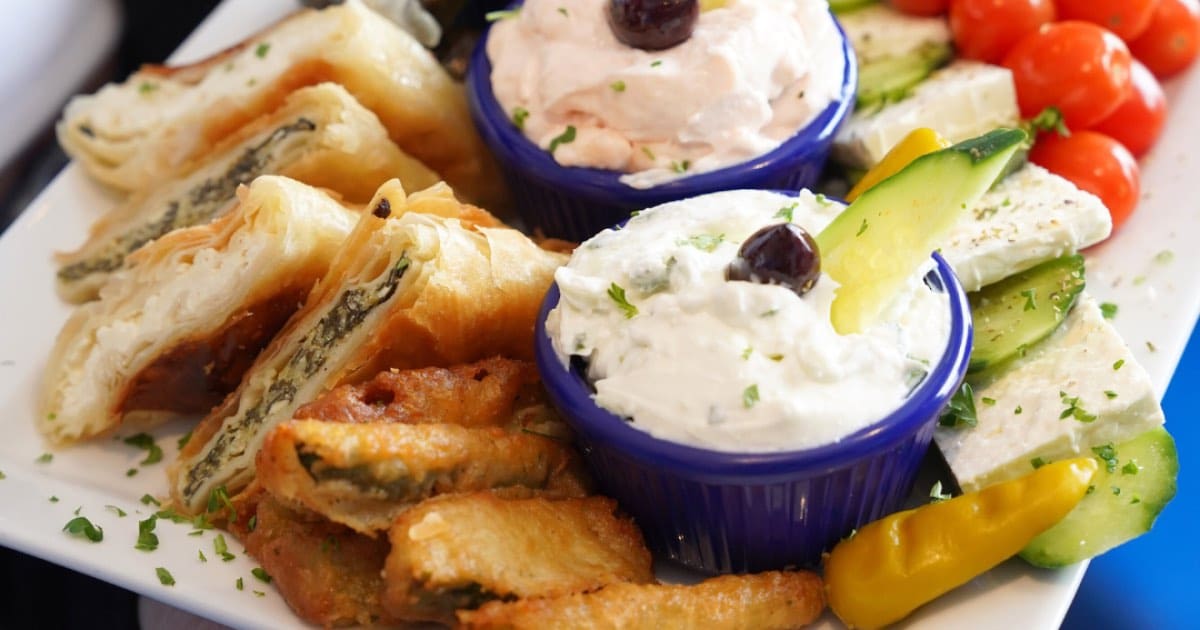
Unlocking the Crispy Magic of Spanakopita: A Culinary Journey
If you've ever savored the delightful crunch of golden, flaky pastry giving way to a rich, savory filling, then you've likely experienced the magic of Spanakopita. This iconic Greek spinach pie is more than just a dish; it's a celebration of simple, wholesome ingredients elevated to an extraordinary culinary experience. Whether you're a seasoned chef or a home cook eager to explore Greek cuisine, mastering an authentic
authentic spanakopita recipe promises immense satisfaction. In this comprehensive guide, we'll dive deep into the secrets behind those coveted crispy layers of phyllo, the tangy perfection of feta, and the comforting heart of a perfectly seasoned spinach filling. Prepare to transform humble ingredients into a show-stopping savory pie that will transport your taste buds straight to the Aegean.
At its core, Spanakopita is a beloved Greek savory pie made from delicate, tissue-thin layers of phyllo dough encasing a delectable mixture of spinach and feta cheese. It's a dish that effortlessly transitions from a rustic side dish alongside roasted lamb or lemon chicken to a hearty vegetarian main course, especially when paired with a fresh Greek salad or a vibrant chickpea salad. As one enthusiastic young connoisseur aptly described it, it’s a "yummy, crispy cheese pie with lots of green stuff!" And trust us, making this seemingly intricate pie is far easier than you might imagine, especially with the right techniques.
The Heart of Spanakopita: Crafting the Perfect Filling
The soul of any great Spanakopita lies in its filling. While simple in its primary components, the quality and preparation of these ingredients are paramount to achieving that authentic, comforting flavor profile.
The stars of the show are undoubtedly
spinach and
feta cheese. For the spinach, frozen spinach is often the most practical choice for a Spanakopita recipe, as it provides the necessary bulk without excessive prep time. However, the absolute critical step here, one that cannot be overstated, is
thoroughly draining the thawed spinach. Imagine the disappointment of soggy phyllo – it’s often the result of excess moisture from inadequately drained spinach. After thawing, press out as much liquid as possible, ideally by hand or using a cheesecloth, until no more water can be squeezed out. This crucial step prevents the filling from becoming watery and ensures your phyllo remains beautifully crisp. If you opt for fresh spinach, you'll need to sauté it first with your aromatics, then drain and cool completely before mixing.
Next up is the feta. This is not the time to skimp on quality. Seek out good quality Greek feta cheese, preferably from sheep's or goat's milk, which offers a creamy yet crumbly texture and that distinct tangy, briny flavor. Other cheeses simply won't yield the authentic taste that defines Spanakopita. While some recipes introduce ricotta for added creaminess, a truly traditional Spanakopita relies solely on feta, letting its unique character shine.
To elevate these primary ingredients, fresh herbs and aromatics are essential flavor makers. A generous amount of fresh parsley, including some of the stems for deeper flavor, along with fresh dill (or dried dill weed), forms the aromatic backbone. Finely chopped onions and minced garlic are then sautéed or mixed in raw (depending on whether you're pre-cooking your fresh spinach) to build layers of savory depth. To bind everything together into a cohesive, flavorful mixture, large eggs are incorporated, along with a drizzle of olive oil, salt, and freshly ground black pepper to taste. The result is a vibrant, savory filling that perfectly balances the earthiness of spinach with the saltiness of feta and the fresh zing of herbs.
Mastering the Art of Phyllo: Secrets to Golden Crispy Layers
The hallmark of a truly exceptional Spanakopita is its golden, impossibly crispy phyllo pastry. If you're new to phyllo, it's a revelation – wafer-thin sheets of unleavened dough, typically found in the freezer section of most grocery stores, near puff pastry or pie crusts. Its delicate nature can seem intimidating, but with a few key tips, you'll handle it like a pro.
The first secret to success begins before you even unroll the phyllo:
thaw it properly. Transfer the package from the freezer to the refrigerator a day in advance, then let it come to room temperature on your counter for an hour or two before you begin. This slow thawing prevents the sheets from cracking when you try to separate them.
Once thawed and ready,
keep your phyllo covered. Phyllo dries out incredibly quickly, becoming brittle and unworkable. Keep the stack of unused sheets covered with a slightly damp kitchen towel while you work with individual sheets.
The magic truly happens with the layering and buttering (or oiling). Each sheet of phyllo, or every two sheets, should be lightly brushed with melted unsalted butter or good quality extra virgin olive oil. This fat not only adds flavor but is crucial for creating those distinct, crispy layers that puff up beautifully in the oven. Don't drown the phyllo, but ensure even coverage. This careful brushing creates air pockets between the layers, which steam and crisp during baking, resulting in that characteristic crunch. The number of layers can vary, but typically 6-8 sheets form the bottom crust and another 6-8 sheets for the top crust are ideal for a large casserole-style pie, with brushing between each.
For a cleaner presentation and easier serving, consider
scoring the top layers of your Spanakopita before baking. Using a sharp knife, gently cut through the top phyllo layers (but not into the filling) to mark individual portions. This helps prevent the top crust from shattering uncontrollably when you slice it after baking.
Assembling Your Spanakopita: From Casserole to Triangles
While the deliciousness of Spanakopita remains constant, its form can vary, offering flexibility in presentation and serving. The most common method, and often the easiest for home cooks, is to bake it in a large casserole dish. This yields a substantial pie perfect for family dinners or entertaining.
To assemble, first lightly grease your baking dish. Lay down your first sheet of buttered/oiled phyllo, allowing excess to hang over the edges of the dish. Continue layering and brushing, rotating each subsequent sheet slightly to cover all sides of the dish, creating a strong base. Once your bottom layers are complete, evenly spread the prepared spinach and feta filling over the phyllo base. Then, repeat the layering and brushing process for the top crust, folding any overhang neatly to seal the pie.
If you're feeling ambitious, Spanakopita can also be made into charming individual hand pies, typically shaped as triangles or rolls. These are fantastic for appetizers or packed lunches. The technique involves cutting phyllo sheets into strips, placing a spoonful of filling at one end, and then folding it like a flag. Whichever shape you choose, always ensure the edges are sealed to prevent the filling from leaking out.
Once assembled and scored, your Spanakopita is ready for the oven. Baking at a moderate temperature (around 350-375°F or 175-190°C) allows the phyllo to gradually turn golden brown and crisp up, while the filling heats through and the eggs set. Baking until golden perfection, typically 45-60 minutes for a large pie, is key. Let it cool slightly before slicing – this allows the filling to set and makes for cleaner cuts.
Serving Spanakopita: More Than Just a Side
One of the many charms of Spanakopita is its incredible versatility. While it shines as a side dish for festive holiday meals, especially alongside roast lamb or grilled chicken, it easily stands alone as a fulfilling vegetarian main course. Imagine a cozy weeknight dinner featuring a generous slice of Spanakopita paired with a vibrant Greek salad, a refreshing Balela, or a hearty Mediterranean chickpea salad.
For an extra layer of flavor, serve your Spanakopita with classic Greek dips like creamy Tzatziki (cucumber-yogurt dip) or a smoky Roasted Garlic Hummus. Its comforting profile also makes it an excellent choice for potlucks, brunches, or even as elegant finger food when prepared as individual triangles. Whether you're looking for a delightful starter or a fulfilling main, learn more about its flexible role in our
Spanakopita: Delicious Greek Pie for Sides or Main Dishes.
Embrace the Spanakopita Journey
Creating your own Spanakopita is a truly rewarding experience. It’s a sensory journey, from the vibrant green of the spinach to the salty tang of the feta, the earthy aroma of fresh herbs, and finally, the ultimate crisp of the golden phyllo. By focusing on quality ingredients, diligently draining your spinach, and mastering the delicate art of phyllo layering and brushing, you’re well on your way to perfecting this timeless Greek classic. Don't be intimidated; the process is simpler than it appears, and the delicious reward is well worth every effort. So, roll up your sleeves, gather your ingredients, and embark on your own culinary adventure with this incredible
authentic spanakopita recipe. Kali Orexi – Bon Appétit!